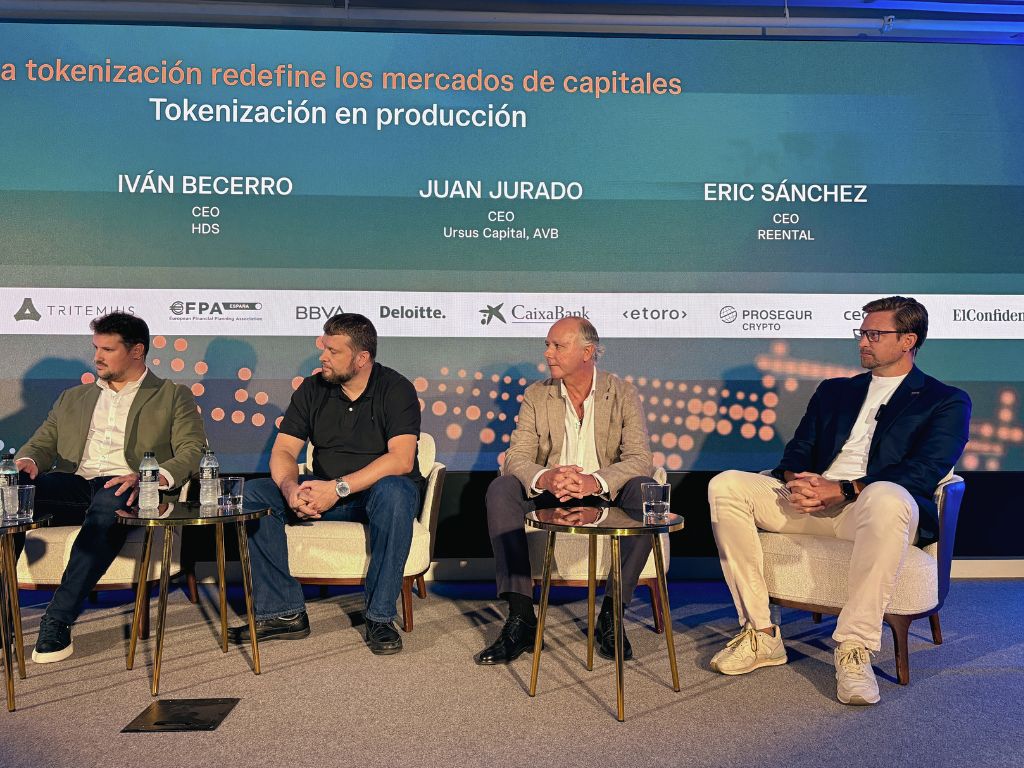
Estating S.A., a Luxembourg-based fintech platform specializing in real estate investment infrastructure, and Reental, a Spanish-American tokenized real estate investment platform, today announced a strategic alliance that connects their respective infrastructures from the real estate asset all the way to the investor.
Estating becomes Reental's exclusive partner for institutional-grade real estate assets, while Reental will be Estating's sole partner for tokenized retail investment in Latin America and Southern Europe. The alliance builds on six transactions the two companies have already executed together.
A single chain, from the asset to the token holder
The chain begins with established owner-operators and sponsors, who typically work with institutional counterparties. Estating selects and structures each investment and issues it as a security with an ISIN through its Luxembourg securitization vehicle.
Reental subscribes to that security as a professional counterparty and uses it as the underlying asset of its own token, which it issues and offers to its investors. On its platform, investors can access the liquidity and leverage options offered by DeFi (decentralized finance).
Estating remains responsible for the underlying security throughout its life, including servicing, reporting and valuation and, where necessary, restructuring, refinancing or an orderly exit.
Key features of the alliance
Each company is responsible for its own part of the chain, and both have spent six years building this activity at scale.
1. Established infrastructures
- Estating's institutional infrastructure. On the asset side are owner-operators and sponsors with multi-billion portfolios. At the center is a proprietary securitization vehicle in Luxembourg, with a paying agent in Switzerland. On the distribution side, Estating works with around thirty regulated wealth management partners, as well as private banks and family offices, which serve their clients under a business-to-business model.
- Reental's retail infrastructure. Reental has approximately 50,000 users in around 100 countries and a tokenization platform built around this community. Its features include accessible investment tickets and integration with decentralized tools that give investors new ways to manage their assets, access liquidity, compound returns and leverage their positions through RNT Lend, a lending protocol specialized in tokenized real estate assets.
2. Formalizing a proven relationship
The two companies have been working together for two years. During this period they have executed six transactions with four sponsors across different real estate segments: multifamily residential assets, mixed-use developments and value-add hotel assets in the United States, and land financing transactions in the Dominican Republic.
3. Two complementary client groups and channels
Wealth management clients invest through regulated partners. They hold the security in their usual custody accounts, with advice, valuation and reporting alongside the rest of their stocks and bonds, and can transfer it as a tradable security on the stock market.
Reental investors, for their part, acquire Reental tokens, accessible from smaller amounts and through a digital platform, and seek flexibility in how they enter, hold and exit a position. The same underlying security supports both channels, with the same issuer, structure and governance.
Estating works with professional counterparties, including private banks, wealth managers and family offices. Through its global community and tokenization platform, Reental serves individual investors, entrepreneurs, companies looking to invest their surplus cash and active investors in the real estate, digital asset and decentralized finance sectors.
4. The framework of the alliance
The institutional-grade real estate securities underlying Reental's tokens in this segment will be originated and structured by Estating. Reental may also turn to Estating to structure its own products through Estating as a Service.
The hotel sector is the first vertical, with an active pipeline of upcoming transactions.
Statements from Martin Halblaub and Eric Sánchez
“Real-world assets only reach investors to the extent that the infrastructures supporting them work,” says Martin Halblaub, founder, chairman and CEO of the Estating group. He explains that they have spent six years building an institutional infrastructure: access to owner-operators, a securitization vehicle and regulated wealth management partners that reach clients where they already invest.
On Reental, Halblaub notes that “the firm has spent those same six years building a retail infrastructure that we would never develop on our own. Connected, they form a single chain from the asset to the investor, and each of us is accountable for our own part. We provide the security and remain responsible for it. Reental builds its token on that security and serves its investors. We are part of the system, not the end product. Six transactions have proven that it works. Now we are going to develop it at scale.”
Eric Sánchez, founder and CEO of Reental, adds: “Together we are bringing an institutional standard onchain, expanding investors' ability to manage their assets through composability with decentralized protocols, new liquidity options and the possibility of using their positions as collateral through RNT Lend. For our community, this means accessing institutional-grade investments with greater flexibility to manage their positions, compound returns and put their capital to work.”